












Form Integrations: one hub for Webflow submissions and your stack
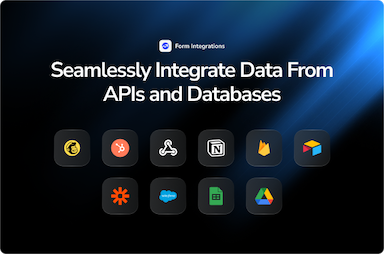
Every client site recreates the same plumbing
Lead forms almost always need the same destinations: a CRM, a Slack channel, a Google Sheet for the marketing team, and sometimes a webhook for custom automation. Without a standard hub, each project invents a new Zap with different filters, error handling, and naming. Debugging at 10 p.m. becomes archeology.
Centralize routing, decentralize styling
Webflow should own layout and UX of the form. Your integration layer should own reliability: retries, field mapping, and observability when a destination is down. When those concerns live in one FlowAppz surface, your runbooks get shorter.
Field mapping is a product decision
Sales cares about UTM, product cares about plan tier, support cares about account ID. Map fields explicitly once and document the mapping in your handoff wiki. Implicit “magic” columns in a sheet always break when the client adds a new Webflow field.
Testing submissions like releases
Use staging domains, test keys, and dry-run channels before flipping production. Capture a golden sample payload per client so you can diff when Webflow form names change.
FlowAppz Form Integrations
Form Integrations is built to connect native Webflow forms to the tools teams already use—without forcing every studio to become an integration consultancy.
Read more on the Form Integrations page and align your next project’s form checklist with a single integration hub.


